How to Get to the Avatar Mountains in Zhangjiajie
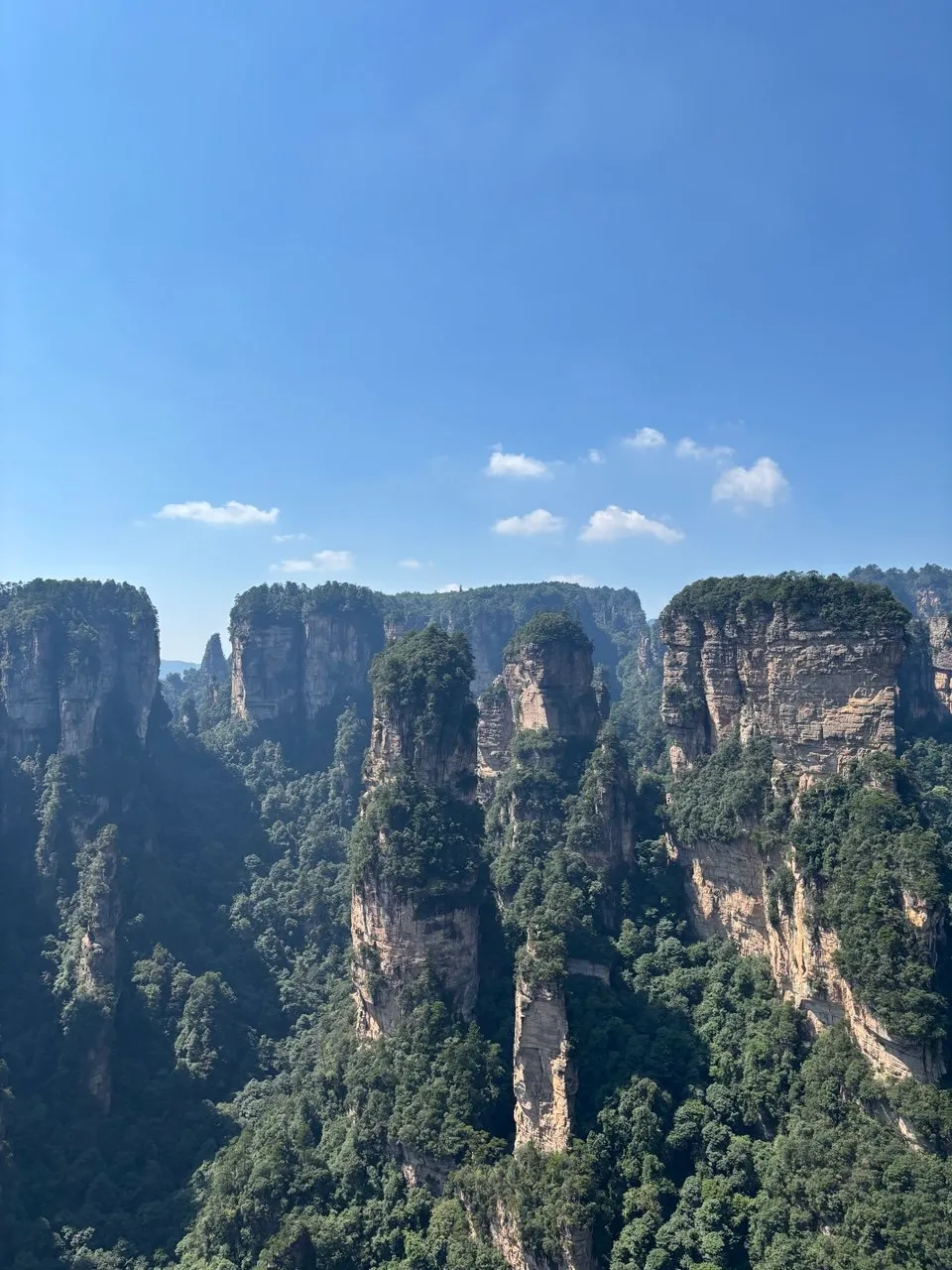
The mountains the Avatar artists used as a reference for the floating rocks of Pandora are real, and they’re in China, in Hunan province: Zhangjiajie. It’s not a single park but a whole protected mountain area made up of several zones, and without a plan it’s easy to burn a whole day just figuring out where to go. Here’s how it all fits together.
What Zhangjiajie and Wulingyuan Actually Are
Zhangjiajie National Forest Park is only the first piece of a much larger protected area called Wulingyuan, which also includes Tianzi Mountain, Yuanjiajie, and a few other zones. This is where you find those narrow, tall rock pillars covered in forest that look like they’re floating in the fog. All the zones are connected by paid shuttles, and in practice they work as one big route, even though each has its own official entrance.
The Bailong Elevator
One of the park’s best-known features: an outdoor elevator built straight into the cliff face, climbing more than three hundred meters in a couple of minutes. It takes you up to Yuanjiajie, home to the pillars most people recognize from the movie. There’s a hiking trail as an alternative, but it means several hours of climbing stairs, so most visitors take the elevator at least one way.
Tianzi Mountain and Yuanjiajie
Tianzi Mountain, the Mountain of the Son of Heaven, is known for viewing platforms where the pillars stretch out like a sea of rock. It’s especially beautiful early in the morning, when fog settles between them. Yuanjiajie, where the Bailong Elevator takes you, is the spot most associated with Avatar: a walkway runs along the edge of the cliff with views of freestanding pillars, and one of them is unofficially named after the movie. Take your time in both zones. There are a lot of viewing platforms, each with its own angle.
Tianmen Mountain
A separate peak outside the main park, famous for the hole in the rock that a plane once reportedly flew through. You ride up on a cable car, one of the longest in the world, with views of a switchback road with ninety-nine turns below. On the mountain itself you’ll find glass skywalks along the cliff and a staircase up to Heaven’s Gate, the natural arch that gives the mountain its name. This is a full day on its own, and it’s better not to combine it with the main park in one trip.
The Zhangjiajie Grand Canyon Glass Bridge
Another nearby stop: a glass bridge suspended over a deep canyon between two mountain slopes. Walking across the transparent floor above the drop is unnerving, no question, but the canyon views from up there are some of the best in the area. There are also regular viewing platforms next to the bridge for anyone who’d rather look at the canyon than walk on glass.
How to Get There
The fastest way is to fly into Zhangjiajie Hehua Airport. It’s small, but it takes flights from several major Chinese cities. The second option is the high-speed train to Zhangjiajie West station, from where buses and taxis run straight to the park entrances and to Wulingyuan. Regular trains and long-distance buses also reach the city, but the trip takes noticeably longer. Check the current schedule and ticket availability ahead of time on Trip.com, 12306, or another up-to-date service, since routes and frequency change.
How Many Days to Plan
Two full days are usually enough to cover the main park, Tianzi Mountain, and Yuanjiajie at a comfortable pace. Tianmen Mountain and the Grand Canyon glass bridge sit apart from the main park, and apart from each other too, so in practice that’s really two separate days rather than one. Trying to squeeze everything into a single trip almost always means rushing. If you only have one day, pick one zone and do it properly rather than try to cover the whole area. Check the exact distances and travel times between points before you go.
Season and What to Wear
The mountains around Zhangjiajie are often foggy. The fog actually helps a lot of photos, but it also means the weather up there is unpredictable, no matter the season down on the plains below. Spring and autumn are the most comfortable, not too hot and not too crowded. Summer is humid and busier, and winter can bring ice on the trails and some of the viewing platforms. Whatever the season, bring comfortable closed shoes with no heel. Routes through the parks almost always mean a lot of walking on stairs and uneven paths. Pack an extra layer too, since the temperature at altitude and in the fog feels colder than it does down in the city.
How We Do It
We’ve taken guests to Zhangjiajie by high-speed train and by plane several times ourselves, so we know where it’s worth getting up early for the fog on a viewing platform, and where you can take your time. We handle the logistics, tickets, and the route inside the parks, so all you need to do is look and take photos. If what you want is the real Avatar mountains, not a queue at the entrance and confusion over a map, get in touch. We’ll suggest the best days and put together a program for your trip.
Want to see it in person?
Message us and we will plan a trip around your dates.
More guides
Your First Days in China: Internet, Pay, Taxis and Apps
A short practical guide to internet, paying with a foreign card, taxis, and reading menus in your first days in China.
What to See in Chongqing: Places Worth the Trip
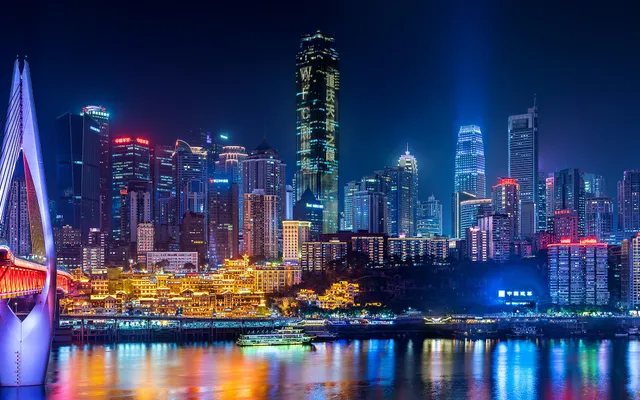
Hongyadong, the monorail through a building, the Raffles City skywalk, and the Yangtze cableway: the best photo spots in Chongqing.